Protect Your Rights With a Best Wrongful Eviction Lawyer
Maneuvering through the challenges of wrongful eviction can be discouraging. Several people may not thoroughly grasp their legal protections or the lawful duties of their landlords. A experienced wrongful eviction lawyer can provide essential guidance and support in these situations. They can break down the fine points of renter rights and landlord responsibilities. Knowing how to secure effective representation is essential. The next steps could substantially impact one's housing stability and legal standing. What should one consider when seeking such representation?
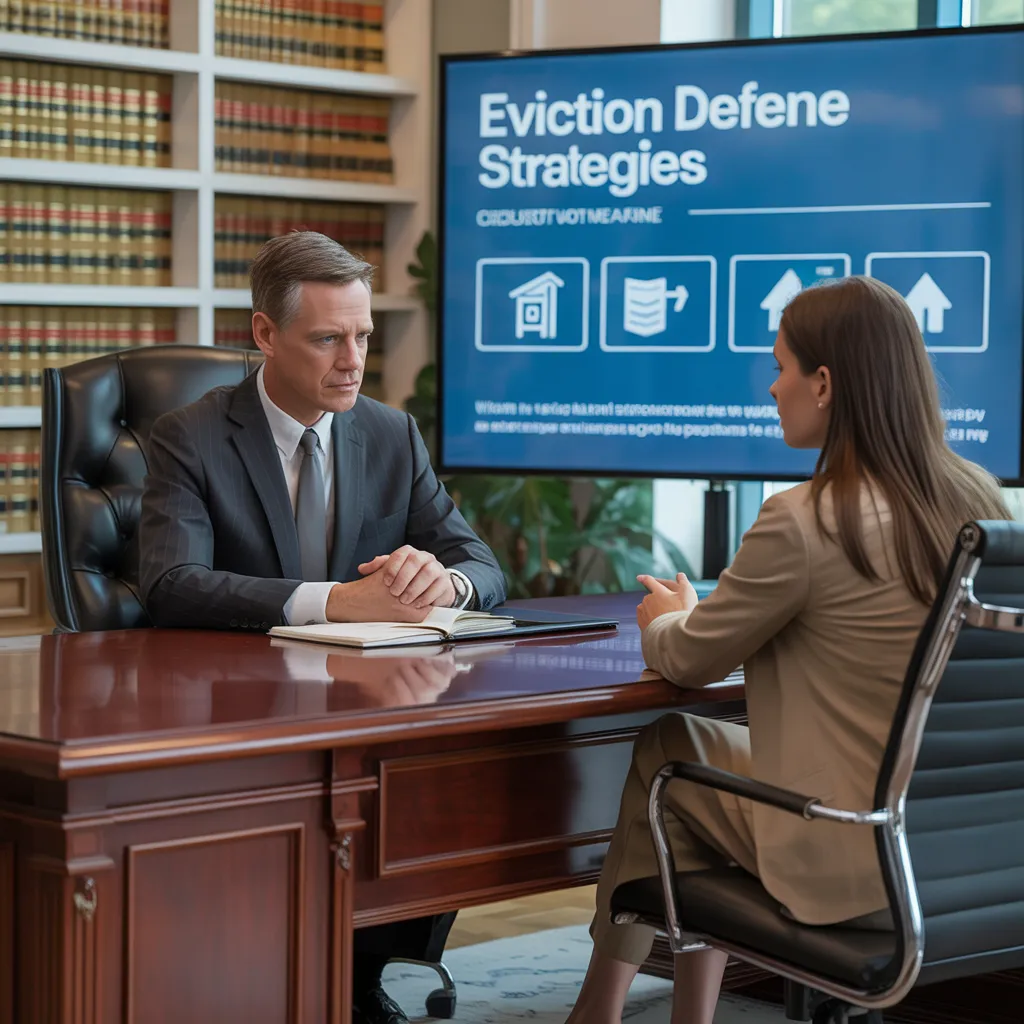
What You Need to Know About Illegal Removal
What represents wrongful eviction? Wrongful eviction occurs when a landlord improperly removes a tenant from a rental property, violating established laws or lease agreements. This can feature situations where the landlord circumvents proper legal procedures, such as providing adequate notice or attaining a court order before eviction. Additionally, wrongful eviction may derive from discriminatory conduct, harassment, or retaliation against tenants asserting their legal rights.
Tenants may also face wrongful eviction if they are evicted without just cause, particularly in jurisdictions that offer protections against such occurrences. Comprehending tenant protections in your area and landlord responsibilities is crucial for both parties. Legal avenues exist for tenants who believe they have been illegally removed, including filing complaints or seeking compensation. Engaging a skilled wrongful eviction lawyer can help tenants manage these challenges and safeguard their rights successfully.
Red Flags You Could Be Undergoing Improper Eviction
Spotting the clues of possible wrongful eviction can empower tenants to take proactive actions to defend their rights. A clear sign is the receipt of a notice to vacate without a valid reason or prior communication. Additionally, if a landlord threatens eviction without observing legal procedures, it may suggest wrongful eviction. Tenants should also watch for sudden rent increases, particularly if paired with eviction threats, as this may be used to intimidate.
A warning sign is if the landlord fails to maintain the property, thereby creating an unsafe living environment, which can lead to retaliation against tenants who complain. Moreover, sudden modifications in lease terms or refusal to renew a lease without justification can also suggest wrongful eviction. Recognizing these signs is vital for tenants to protect their housing stability and seek appropriate legal counsel if needed.
The Manner a Premier Attorney Can Support With Wrongful Eviction Claims
A prominent lawyer brings invaluable legal expertise to matters of wrongful eviction, guaranteeing that tenants comprehend their protections. They adeptly navigate intricate laws that often complicate removal proceedings, providing clarity and guidance. By establishing strong legal strategies, these experts can effectively advocate for their clients and pursue justice.
Expert Legal Skills Count The Most
While traversing the intricacies of a wrongful eviction can be challenging, the expertise of a top attorney can significantly influence the outcome. Experienced attorneys bring a abundance of understanding regarding tenant rights and landlord obligations, guaranteeing that clients understand their legal position. They can examine case details, identify potential breaches, and create compelling arguments to bolster the tenant's position. Additionally, a seasoned attorney is adept at bargaining with landlords or their representatives, often achieving favorable settlements without the need for prolonged litigation. In court, their experience can be invaluable, as they know how to deliver evidence effectively and counter opposing claims. Ultimately, having a top wrongful eviction attorney can be the difference between a successful resolution and prolonged distress.
Managing Complex Regulations
Moving through the intricate landscape of housing regulations can burden many tenants facing wrongful eviction. These regulations, often intricate and dense, differ significantly by jurisdiction, making it challenging for individuals to comprehend their rights and obligations. A top wrongful eviction attorney has the expertise needed to understand these laws effectively. They can identify violations that may have occurred during the eviction process, ensuring that tenants are aware of their legal standing. Additionally, an experienced lawyer can guide tenants through the necessary documentation and procedures required to contest an eviction. This support not only strengthens tenants but also enhances their chances of a favorable outcome in their legal battles, providing essential protection against unjust housing practices.
Establishing Dependable Law Solutions
Building strong legal strategies is essential for tenants facing wrongful eviction, and an experienced attorney plays a important part in this matter. A well-informed legal professional evaluates the details of the case, identifying any violations of renter protections or violations of rental agreements. They collect documentation, such as rental contracts and correspondence files, to build a persuasive case. Additionally, an attorney can effectively navigate local laws and regulations, guaranteeing that all statutory procedures are observed. They also offer advocacy in negotiations or court proceedings, championing the tenant's interests. By crafting a customized legal approach, the attorney improves the likelihood of a favorable outcome, in the end protecting the tenant's rights and securing their residential security.
Understanding Illegal Eviction Court Protocols
The wrongful eviction legal process demands understanding the particular legal reasons that can justify eviction and the process steps that must be followed. Renters confronting eviction need to be conscious of their rights and the legal protections accessible to them. Navigating through this procedure successfully demands understanding of both the regulations governing eviction and the necessary actions to contest an illegal removal.
Legitimate Reasons for Eviction
While eviction may be a required legal action for landlords, understanding the grounds for wrongful eviction is fundamental for both tenants and property owners. Wrongful eviction typically arises when a landlord tries to remove a tenant without valid legal reasons. Common legal grounds for eviction include failure to pay rent, breach of lease terms, or conducting illegal activities on the premises. Nevertheless, landlords must comply with clear legal procedures to end a lease, such as giving adequate notice. Evictions grounded in discrimination or retaliation against tenants for exercising their rights also characterize wrongful eviction. Being informed about these legal grounds helps protect tenants' rights and ensures landlords adhere to lawful standards during the eviction process.
Phases in the Procedure
Navigating the wrongful eviction legal process involves several critical steps that both tenants and landlords must be aware of. Initially, tenants should document all relevant communications and lease agreements, establishing a clear order of occurrence of events. They may then file a objection in the appropriate court, outlining the reasons for challenging the validity of the eviction. Next, both parties will attend a judicial hearing where evidence and narratives are presented. After the determination, if the tenant wins out, they may request compensation for losses for losses incurred. Conversely, landlords can file an appeal if they maintain the decision was inequitable. Throughout this process, engaging a informed wrongful eviction legal counsel can render essential guidance, verifying that rights are upheld and legal obligations are met productively.
Guidelines for Locating the Best Wrongful Eviction Attorney
How might someone recognize the most suitable wrongful eviction attorney? First, prospective clients must consider the attorney's experience and specialization in landlord-tenant law. A established record in handling wrongful eviction cases can indicate a deeper understanding of relevant laws and procedures.
Finally, seeking referrals or reviewing client testimonials can provide understanding into the attorney's standing and success rate. Speaking abilities are also essential; the attorney should be accessible, attentive, and able to clarify complex legal concepts plainly.
Furthermore, examining the attorney's cost arrangement guarantees that work remains affordable and transparent. A competent attorney should provide a clear outline discover here of costs and potential outcomes.
In conclusion, an initial meeting can help determine compatibility and trust, which are critical for a collaborative legal partnership. By weighing these factors, individuals can make sound decisions when choosing the best wrongful eviction lawyer for their requirements.
Why Acting Quickly Matters in Illegal Eviction
Acting without delay in wrongful eviction cases is necessary for protecting your legal interests and obtaining favorable results. Postponing action can result in the destruction of key proof and eyewitness accounts, which are important for developing a convincing legal argument. Furthermore, statutory deadlines, including statutes of limitations, may constrain the period to submit a claim.
The sooner an individual seeks assistance from a eviction law attorney, the wider the range of options they may access, including negotiations or lodging an injunction to cease the eviction action. Timely intervention also conveys to landlords and courts that the tenant is serious about defending their rights.
Additionally, early engagement with qualified attorneys facilitates a full grasp of local landlord-tenant laws, which can profoundly impact the case's trajectory. In summary, proceeding quickly not only enhances the chances of a desirable outcome but also upholds the tenant's legal rights throughout the eviction process.
Often Posed Questions
What Are the Typical Causes of Illegal Eviction Cases?
Wrongful eviction cases stem from numerous issues such as inadequate notice, landlord retaliation, discriminatory actions, ignoring legal requirements, and lease-term evictions without legitimate reasons, all of which weaken renter protections and rights.
Am I permitted to bring legal proceedings against my landlord for emotional distress subsequent to tenant displacement?
Yes, an person can sue their landlord for emotional distress after eviction. However, proving emotional distress demands substantial evidence, showing that the landlord's actions were intentional or negligent and directly caused significant emotional harm.
How long Do I Have to Submit a Wrongful Eviction Claim?
Usually, parties have between one to three years to file a wrongful eviction complaint, depending on state laws. Quick action is advisable to assure the preservation of rights and potential recovery of damages.
What Proof Do I Need to Back Up My Unlawful Eviction Case?
To establish a illegal eviction case, one needs evidence such as tenancy agreements, payment documentation, eviction notices, landlord communications, pictures of the premises, and witness statements outlining the circumstances of the eviction and any relevant interactions.
Will I Have to Appear in Court for a Wrongful Eviction Claim?
Typically, pursuing a wrongful eviction claim may require court participation, as legal processes often facilitate the resolution of conflicts. However, some cases may settle outside of court through discussion or arbitration, depending on circumstances.